The First of Mercedonius
July 11, 2025 - November 28, 2025
July 11 – November 28, 2025
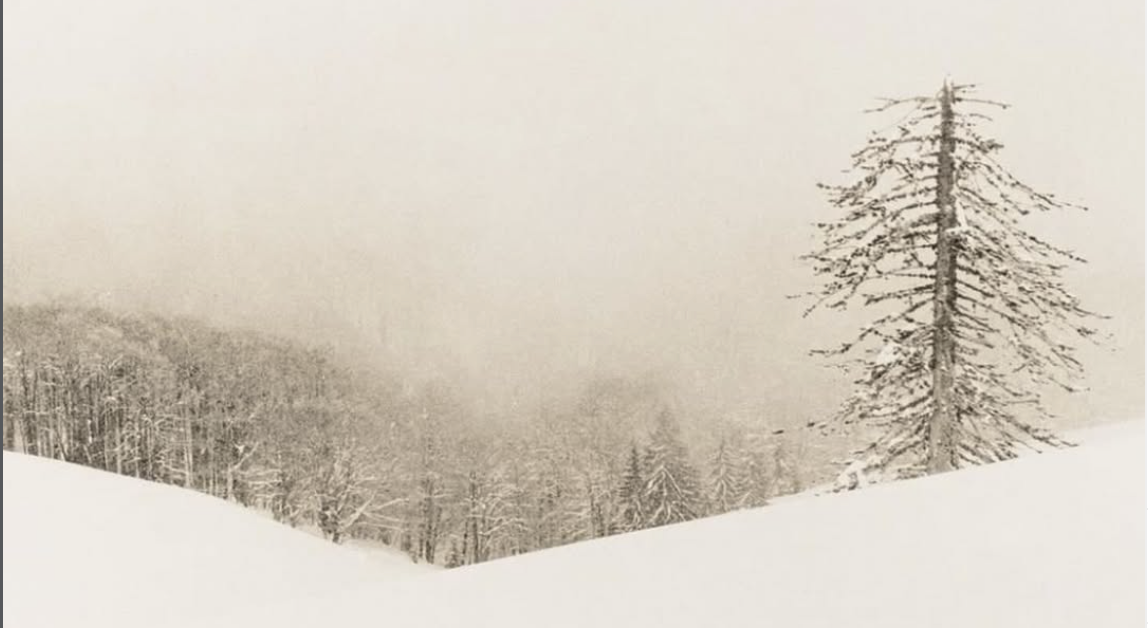
The First of Mercedonius is a series of landscape photographs by Yevhen Svishchov and Nataliia Radchuk, taken in the Svydovets range of the Carpathians on the day the full-scale war began.
“The news of the invasion reached us in the snowy silence of the mountains and threw us into a paradoxical state of placeless confusion, in a foggy, boundless space that was, for the moment, safe. Shooting that day, with no idea of our own future or the future of these frames, we were trying to capture our own psychological and emotional state alongside, or even instead of, the landscape itself.”
The series consists of 12 works printed in 2024–25 from film exposed on February 24, 2022. The prints were made by hand in 49×49 cm and 49×32 cm formats as lith prints, a technique that adds to and sharpens the meaning of the work. Lith printing is an artistic printing technique on silver gelatin paper using a special developer that gives a contrasty image with warm, often unpredictable tones.
During printing — because of the physical and chemical nature of the process, and because almost three years of full-scale war and Russian terror, three years of searching for another way to speak and, in effect, of practicing analogue photography, had passed between shooting and printing — the images took on new contextual meanings and new ways of being read.
Mercedonius was the 13th, intercalary month of the ancient Roman calendar, periodically inserted between February 23 and 24.
The series comes with a handmade zine-artbook of reproductions and reflective poems.
In the best tradition of Tim Rudman
Tim Rudman is a British photographer who began his career in the 1960s and became known for his major contribution to lith printing. He prints a great deal, researches the technique and writes about it. Rudman developed a style of his own. Lith prints usually look visually dense and heavy. His innovation was that his prints were light and atmospheric, built on tonality. In Ukraine this style of lith printing is not especially common, and that is one of the reasons Yevhen and Nataliia’s work caught our attention.
They work in a style close to Rudman’s and are among the few who print lith professionally in Kyiv today, and the only ones who do it in this particular manner. To achieve such lightness in lith printing, they had to devote themselves to research and study; they managed to turn a standard technique into something distinctive, which is what we see in The First of Mercedonius.
Nataliia and Yevhen really did spend three years searching for the visual form of this project, because in analogue photography the negative is only half of the statement; the other half is the printing, how the work should look in its final state. It can be hard to find a visual solution that fully matches the artist’s intention. Lith printing can give uncontrolled, varied results, so print after print the artists looked for the right contrast, tone and density.
The works are built on a deconstruction of landscape: most of each image is negative space — the empty, unfilled part of the picture around the main subject, which brings out its form, mood and composition. In wartime, landscapes rarely appear at photo exhibitions. Cameras record the glaring events at the front, combat, daily life near the front line, the lives of civilians and soldiers. That is an entirely logical and predictable response to the reality we live in. Landscape recedes into the background. But in The First of Mercedonius it is precisely landscape that the artists chose as the language for expressing their state and feelings. Here it becomes a reflection of what was left unsaid in each of them and in their shared reflections.
This series is also about the war, yet it is intimate, personal and sensitive. The works give the viewer emotional space and silence in which to find their own state, to remember themselves at the start of the full-scale invasion and to trace how they have changed over the past three years.
Brought together in one space, the works created an atmosphere of silence, confusion and searching — the state the artists found themselves in on February 24, 2022.
Events during this program
Opening of The First of Mercedonius
Landscapes of the Svydovets range, shot on February 24, 2022 and printed as lith prints.
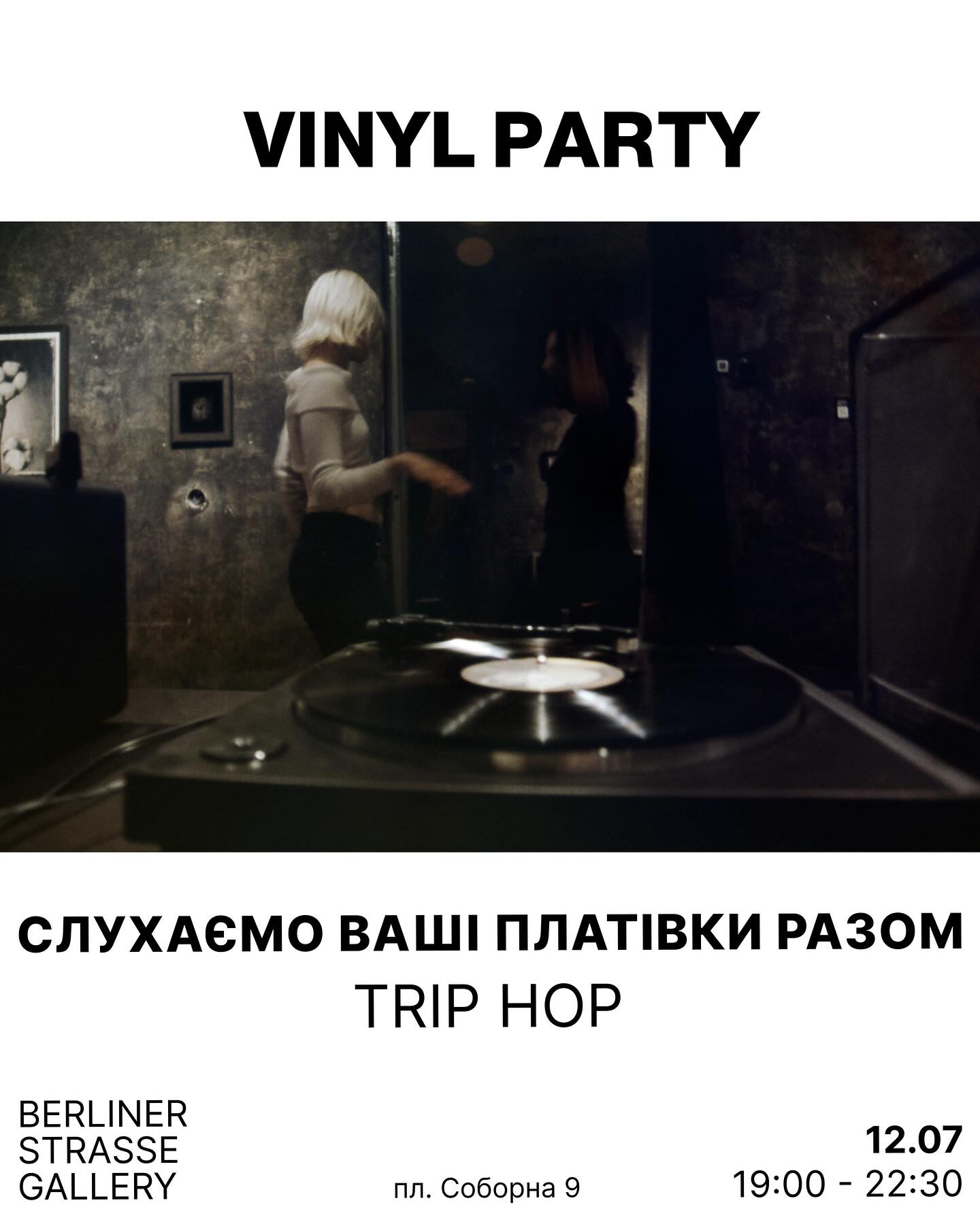
Vinyl Party: Trip Hop
A trip hop night: Massive Attack, Portishead, Tricky.
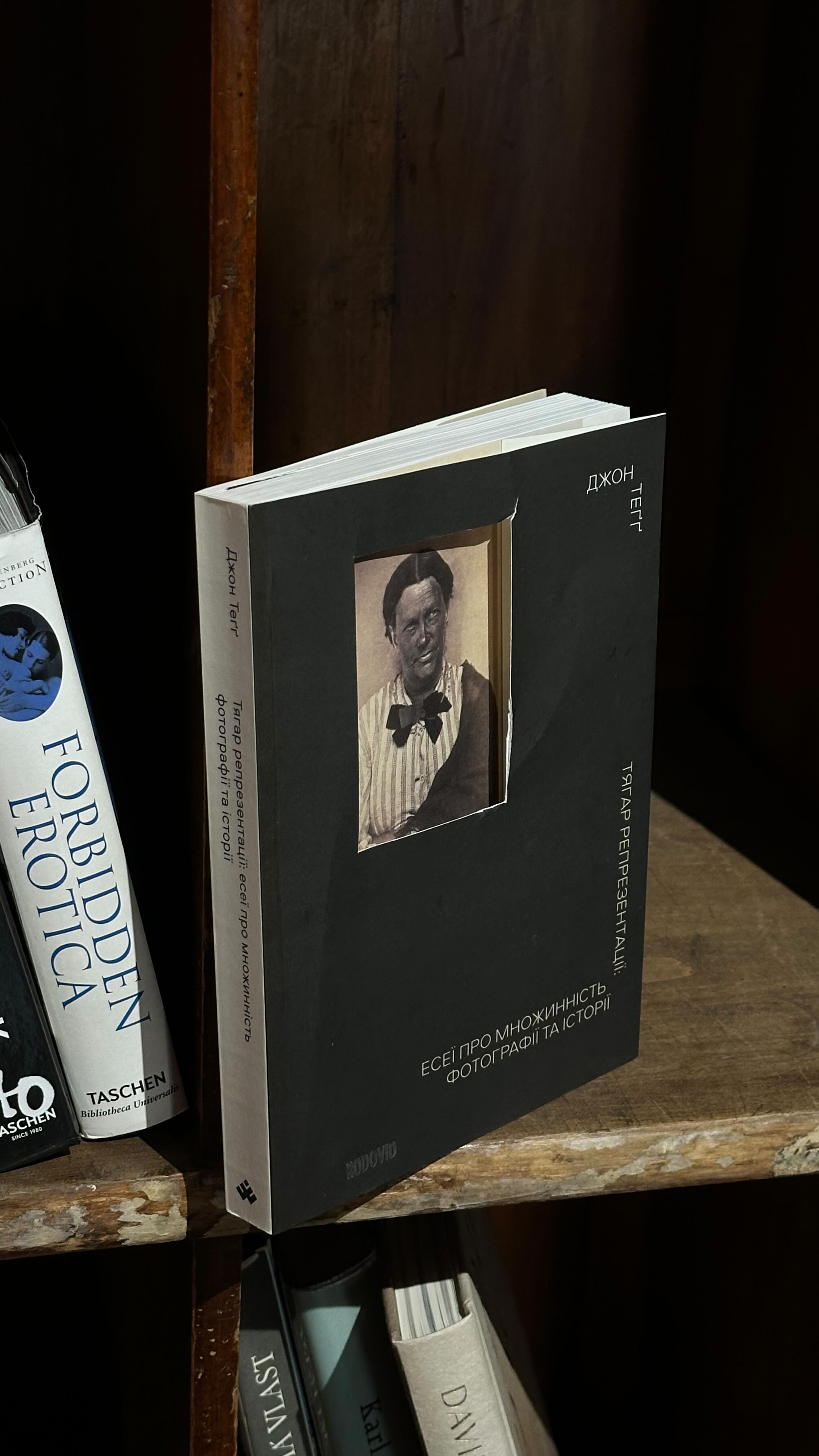
Book club: John Tagg, The Burden of Representation
Essays on how images shape our picture of the world, and why every photograph is an act of choice.
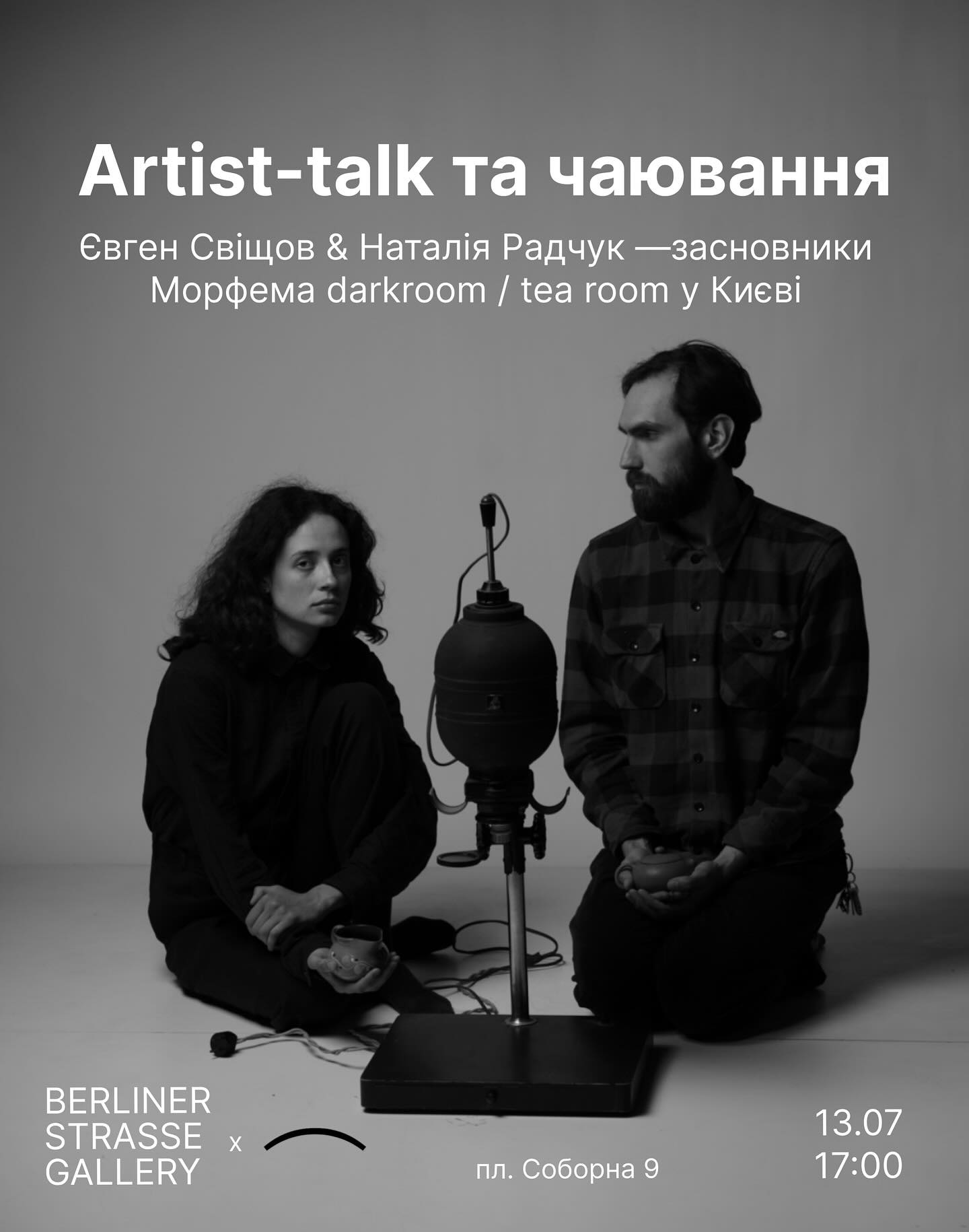
Artist talk: Morfema
Yevhen Svishchov and Nataliia Radchuk on their first darkrooms, Morfema and lith printing.
Vinyl Party: Synth Pop
A synth pop night: Kraftwerk, Depeche Mode, Pet Shop Boys.
Vinyl Party: Disco
A disco night: Donna Summer, Chic, Bee Gees, Boney M.
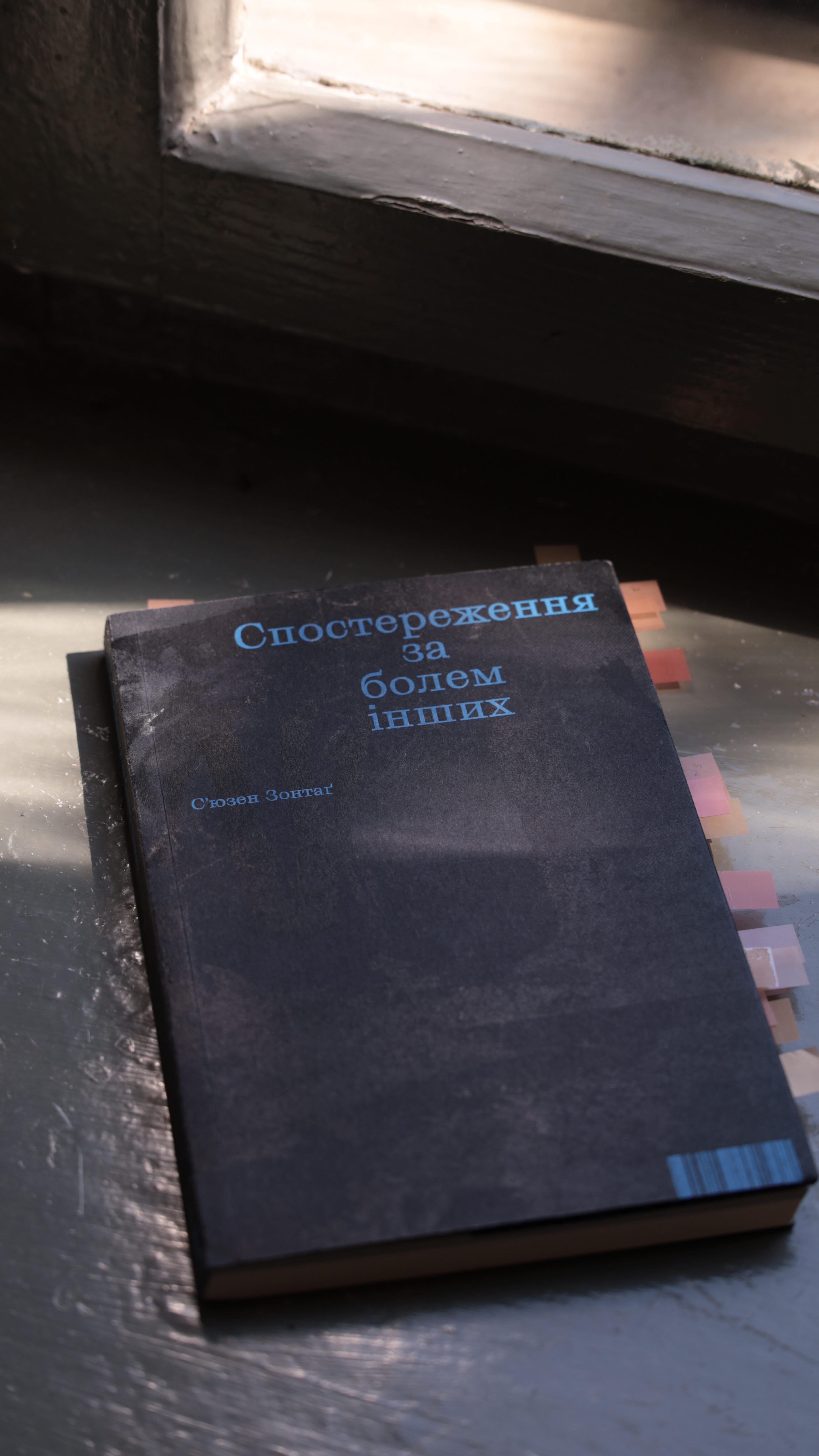
Book club: Susan Sontag, Regarding the Pain of Others
How we look at photographs of war, suffering and death.
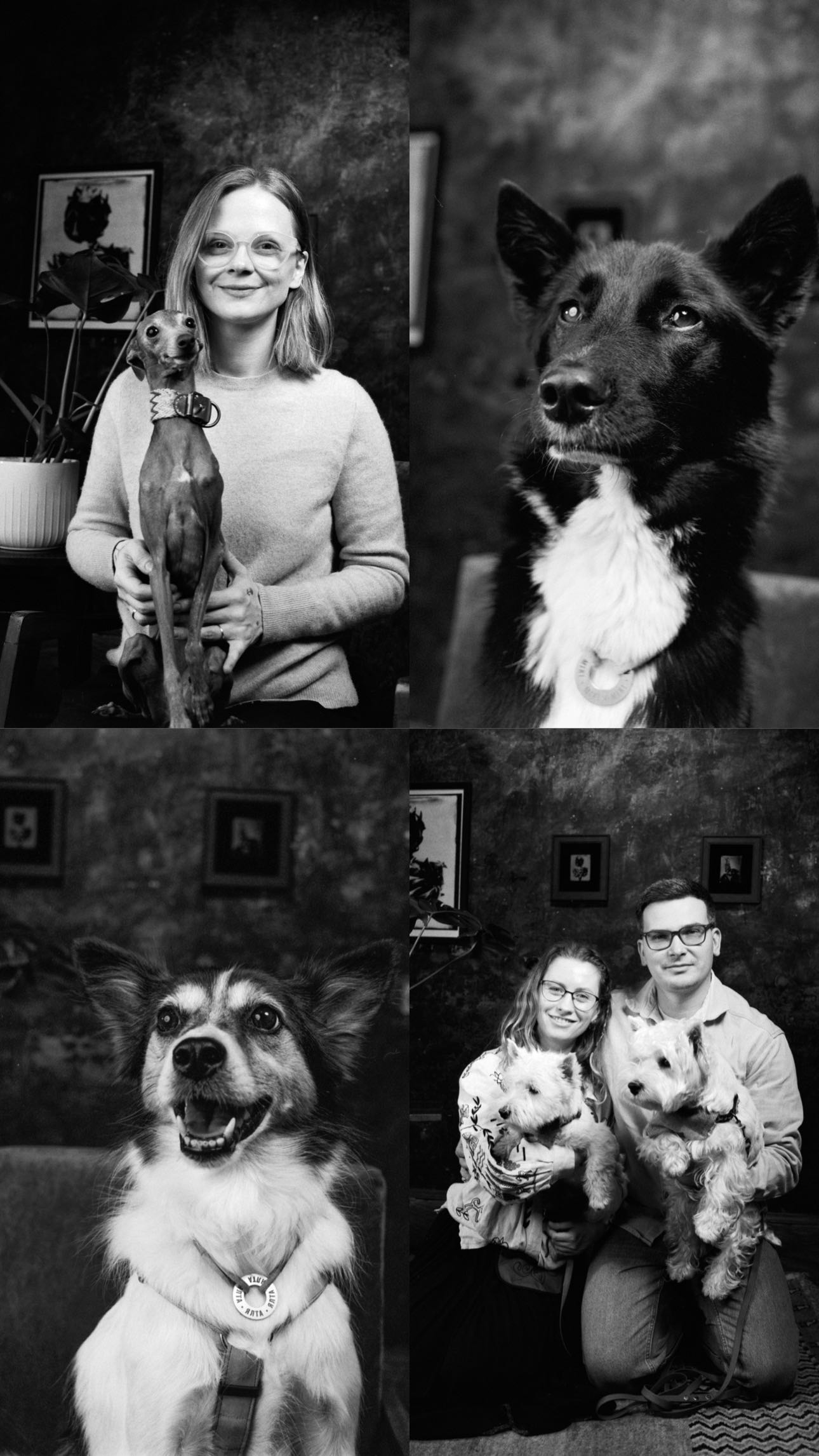
Film portrait with your dog
A portrait of you and your dog on black-and-white medium-format film, hand-printed in the darkroom.
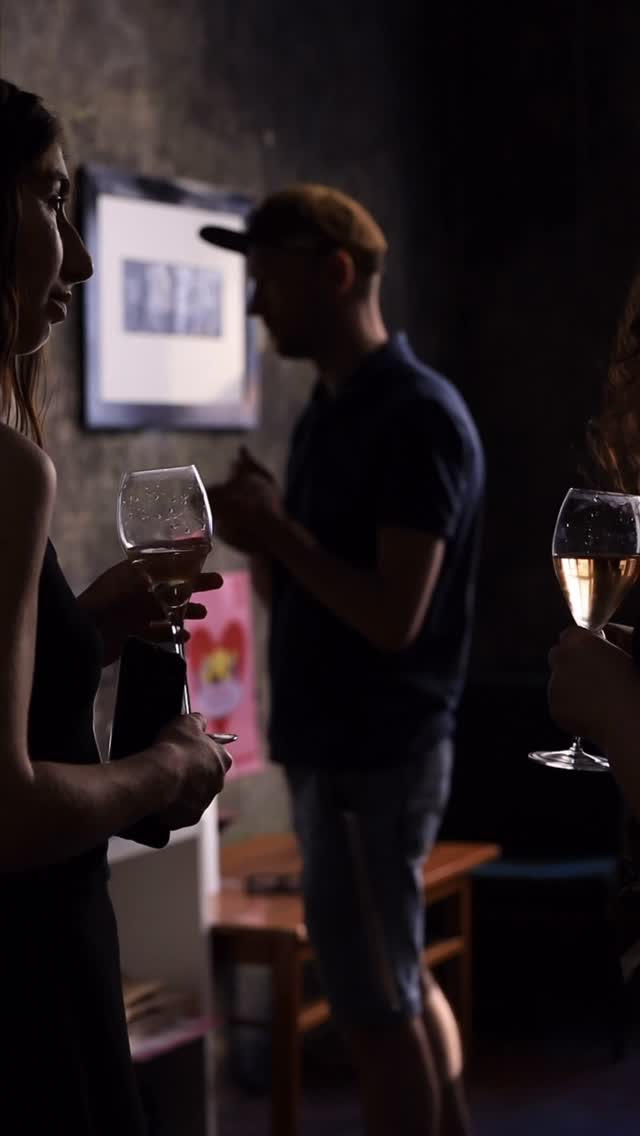
Berliner Strasse turns three
Three years of the darkroom and one year of the gallery and café. Let’s celebrate together.

Lecture and tasting: specialty coffee brewing methods
Mykyta Katernoha on Dotyk, V60, AeroPress and cezve, terroir and extraction.
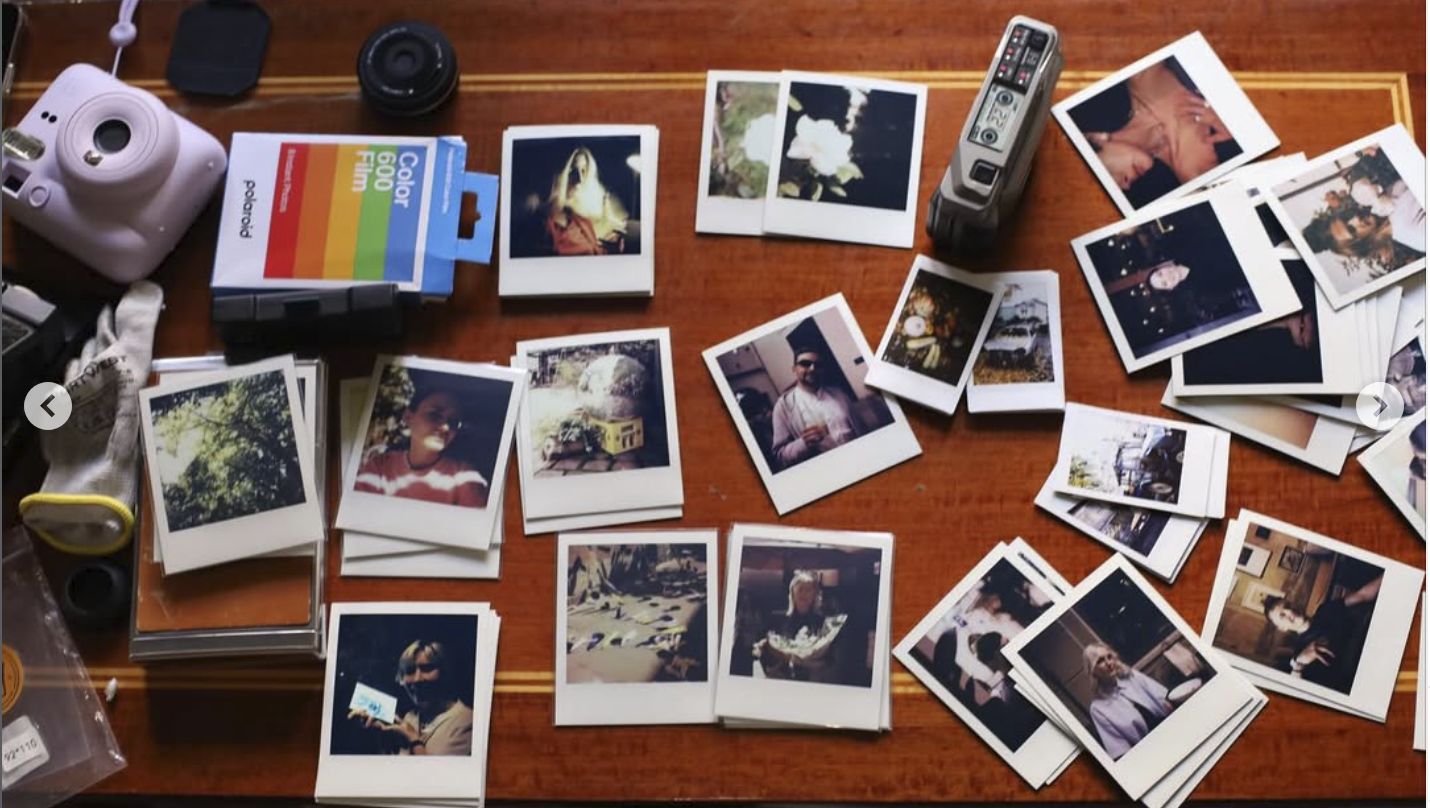
Polaroid Meet-Up 2.0
Our second meet-up for people who shoot Polaroid.
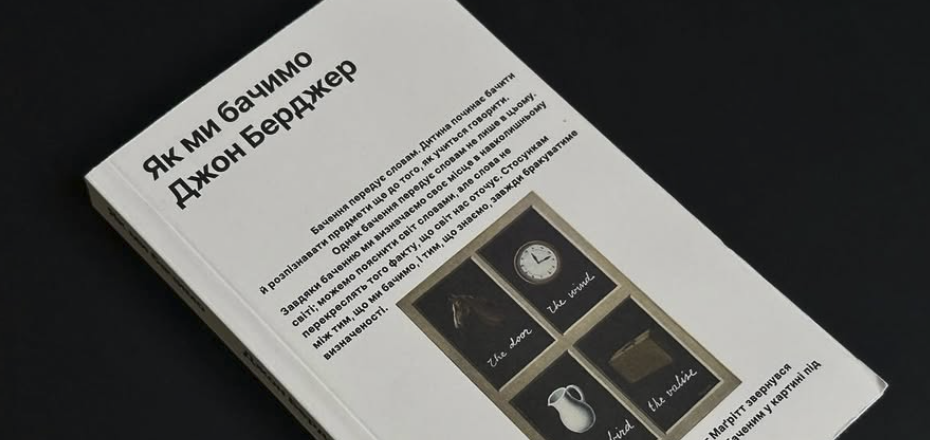
Book club: John Berger, Ways of Seeing
One of the most influential books in visual culture. Berger explores how culture, media, art history and personal experience shape the way we perceive images. He shows that no image is “neutral”: what we see and how we see it always depends on context, from painting to advertising, from museums to the mass media.
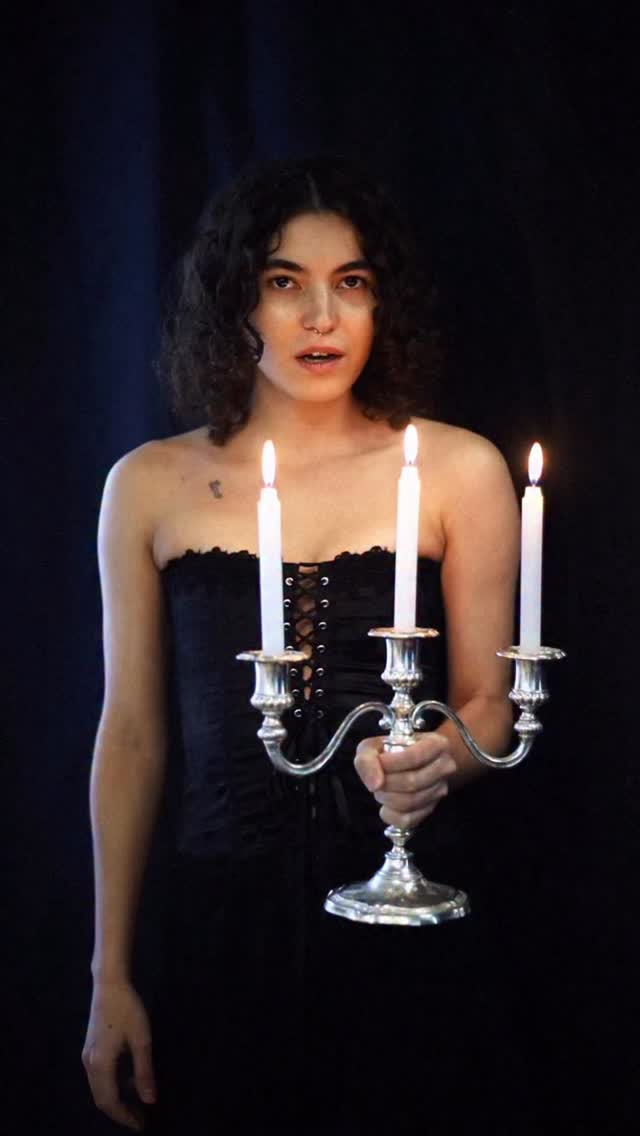
Victorian Halloween party
A themed evening with a Victorian dress code: music, wine and film photos.
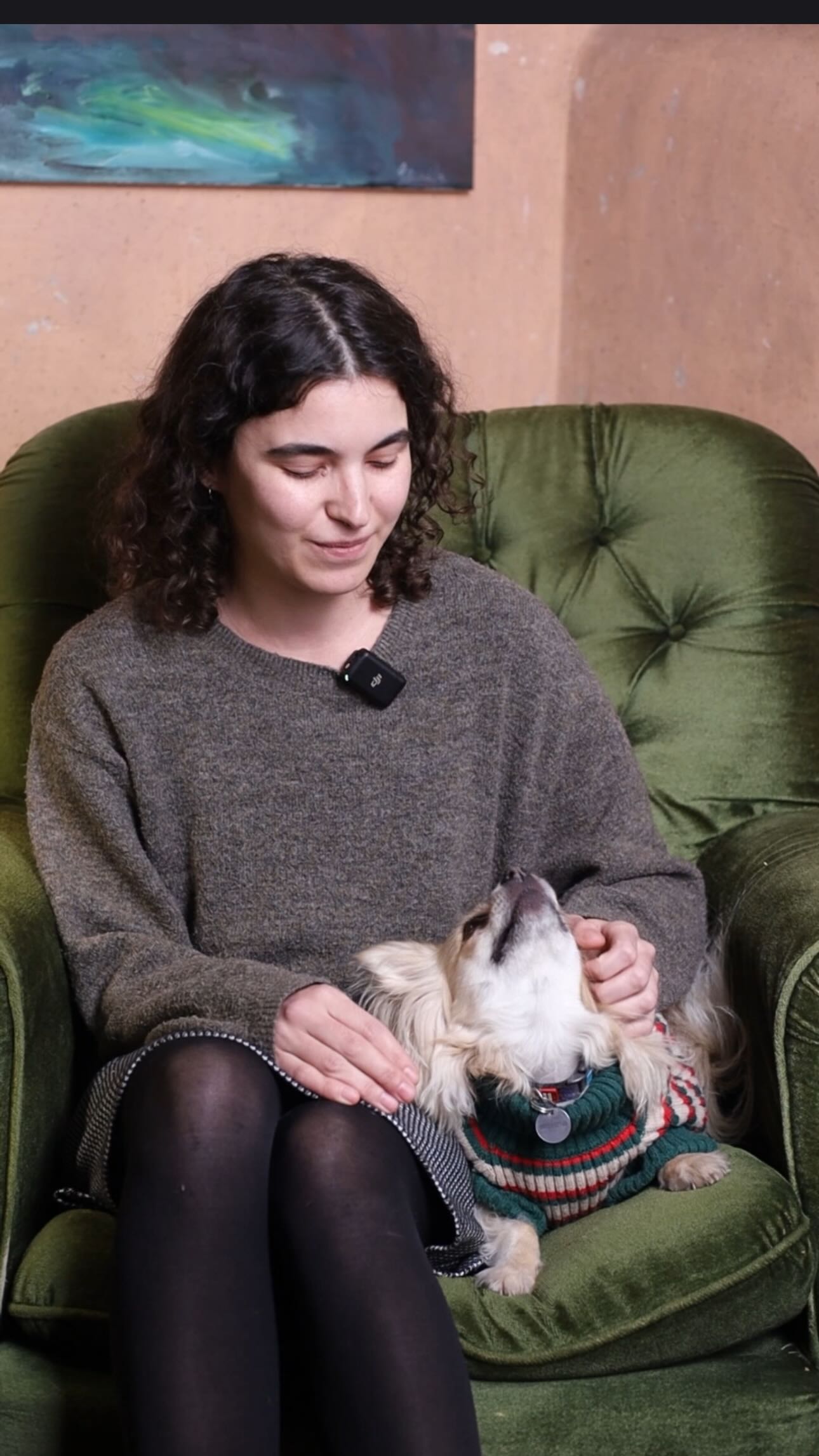
Film portrait with your dog
Once again we photograph dogs and their people on black-and-white medium-format film.