Stanislav Ostrous: 7 Seconds
November 29, 2025 - January 24, 2026
Stanislav Ostrous, 7 Seconds
From November 29, 2025 (exhibition ongoing)
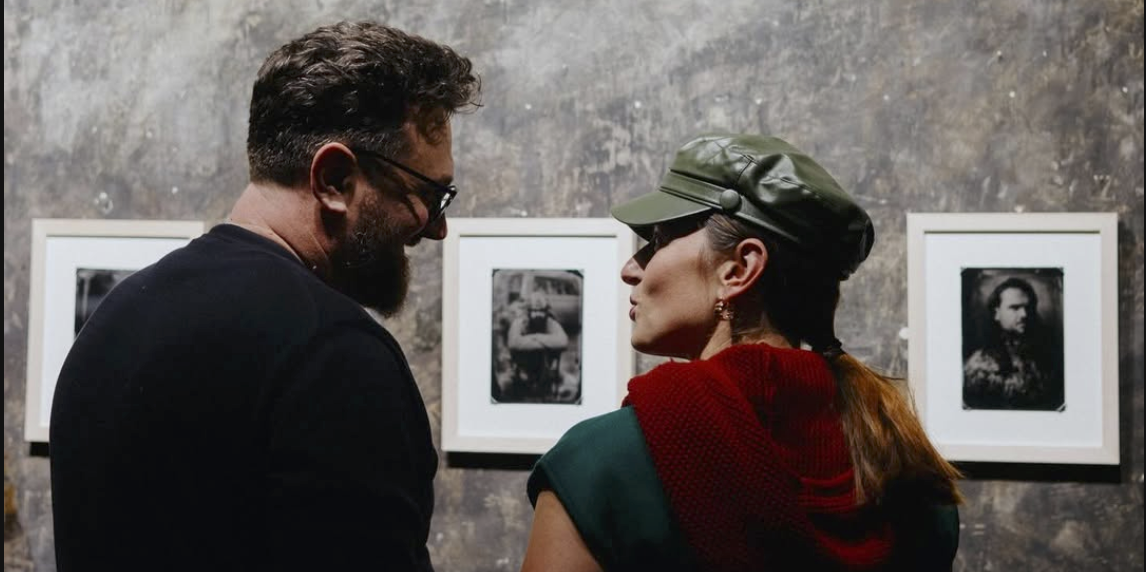
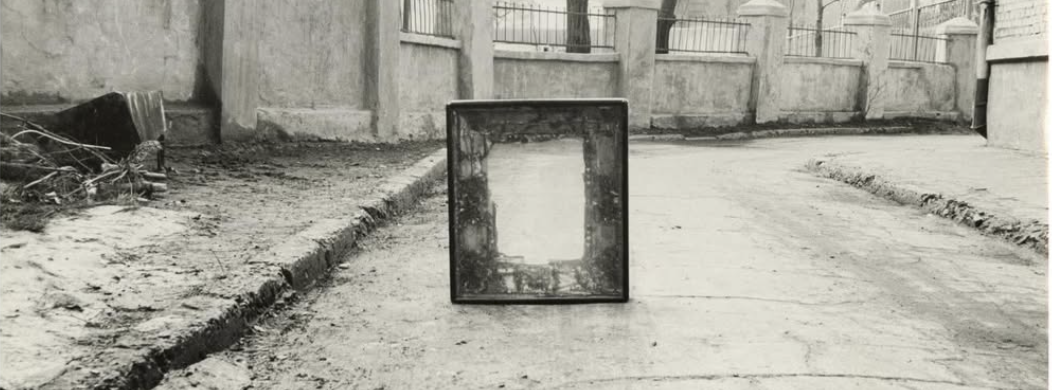
The project consists of portraits of soldiers of the 16th Army Corps of the Armed Forces of Ukraine, made as ambrotypes, a slow, honest, almost meditative 19th-century photographic technique.
Ambrotype is an early photographic process in which the image is made directly on a glass plate and exists as a single copy. By returning to early methods of photography, the author explores how our perception of war changes when we choose slowness and attention to process over digital speed, turning each image into a document of memory.
Stanislav Ostrous:
“In the mid-19th century American photographers showed the world pictures of the war dead for the first time. It was a shock: people saw war not as a heroic tale but as real tragedy. More than a hundred and fifty years have passed, and today we live in an age when war is broadcast live. Every day we see hundreds of images, but precisely because of that immediacy we stop feeling the pain behind each frame.
My project is an attempt to slow time down and look at those who are holding Ukraine’s defense on their shoulders. I photograph soldiers of the 16th Army Corps of the Armed Forces of Ukraine using the ambrotype, a method that appeared at almost the same time as the first war photographs.
The ambrotype is not just a technical process; it is a ritual. It demands precision, attention and concentration, and at the same time it creates a unique physical image that exists in a single copy. That uniqueness resonates with the fate of the people fighting today: each of them is one of a kind, unrepeatable, irreplaceable.
What matters to me is to show not only military reality but vulnerability, the gaze, human dignity. Unlike digital photography, the ambrotype allows no repeats and no editing: it records the truth as it is.
Seven seconds is the time it takes for light to fall on the glass plate and form the image. It is also the time during which a soldier standing in front of the camera faces silence, his own gaze, himself. And in war, seven seconds can mean the pause between two explosions, a moment of decision, or simply one more breath. Each ambrotype in this project is seven seconds of life turned into silver.”
Large-format photography in the field is a culture of its own, demanding a special relationship between the photographer and the people being photographed. Soldiers photographed in a combat zone have to trust the photographer to let him into their daily life and their context. Unlike studio or society shoots, where people expect to be photographed, here the photographer usually has to break through a barrier and face incomprehension and perhaps even a sense that it is out of place (fighting is going on, the soldiers are always busy, and a photo shoot is far from a priority). All this pushes the photographer to build close, trusting contact with the people who will end up in front of his lens. Some masters of documentary and reportage photography succeeded precisely because they could break through that barrier and connect with their subjects, even though both genres usually rule out such practices.
There is a great deal of work behind Stanislav Ostrous’s project. The whole process of making an image happens here and now: preparing the glass plates and the scenes, seven seconds per frame, processing the finished picture. Ambrotype in these conditions needs a field darkroom with the right chemistry and equipment. But the technical process is not all that matters. So does everything that happens between frames: the relationship between the photographer and each individual soldier, the personal story told before and after the seven seconds of silence. The pictures in the exhibition have come a long way, and once you appreciate that, you understand the strength of Stanislav’s motivation and commitment to bringing them into existence.
Although Ostrous’s frames show modern military equipment, the ambrotypes look rather classical. That is because they refer to the war photography of the past. Old American war ambrotypes have their canonical subjects, which the author repeats in his own pictures: a similar rhythm, composition and structure. Did he do this on purpose, or did it happen subconsciously, by chance?
Looking at 7 Seconds raises questions about photography itself: how is it made? How are we used to making it, and how could it be made differently? We are used to a digital world where images are made quickly and in bulk, and only later “selected” and brought into finished form. Ambrotype gives you one attempt for one moment and demands real effort to make a single picture. The uniqueness of the plate pushes the person making it to approach the process attentively, with a formed point of view and a purpose.
The plasticity and variety of analogue material
Analogue techniques (ambrotype, film photography, instant photography and others) give an image a unique, “living” character. The choice of how to make a photograph is dictated by the author’s outlook and his personal passion for a particular way of shooting or printing. Choosing ambrotype to photograph soldiers in the field is neither an obvious nor an easy path. The project could have been made in another technique: on a portable film camera or even on digital. Yet despite all the difficulties and challenges, Stanislav chose ambrotype, and that choice shaped the atmosphere of the images and their historical reference, and says a lot about the author himself.
Stanislav Ostrous is a photographer, photojournalist and teacher who works where documentary and art photography meet, with a preference for analogue processes. Finalist of the Leica Oskar Barnack Award (LOBA) 2025. Exhibited in the main program of Batumi Photo Days (2016–2019). Shortlisted for PhotoCULT 2019. Heinrich Böll Foundation fellow in 2024. Member of Ukrainian Photographic Alternative, UAPP (Ukrainian Association of Professional Photographers) and MYPH. He has exhibited in Ukraine, Germany, Georgia, Armenia, Poland, Korea and Lithuania, and has been published in Ukrainian and international media including the BBC, Frankfurter Allgemeine, DER STANDARD, The Art Newspaper and The Kyiv Independent. He has taught photography at the Kharkiv State Academy of Culture and at MYPH, a school of conceptual and art photography. For him, photography is not only an art but a way of life: a way to speak and to see the world.
Events during this program
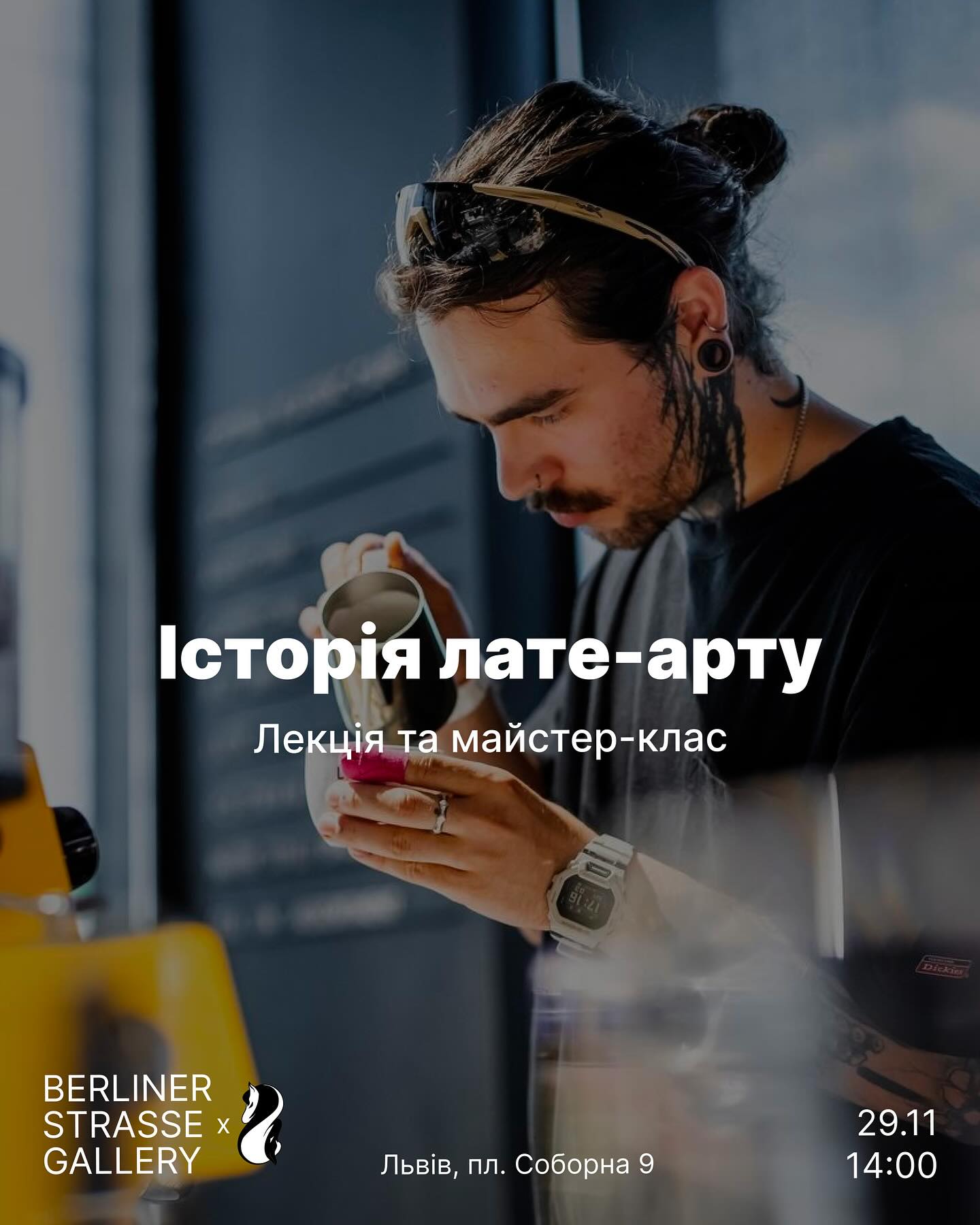
Lecture and workshop: The history of latte art
Mykyta Katernoha on the history of latte art, competitions and pouring techniques. Then we try it ourselves.
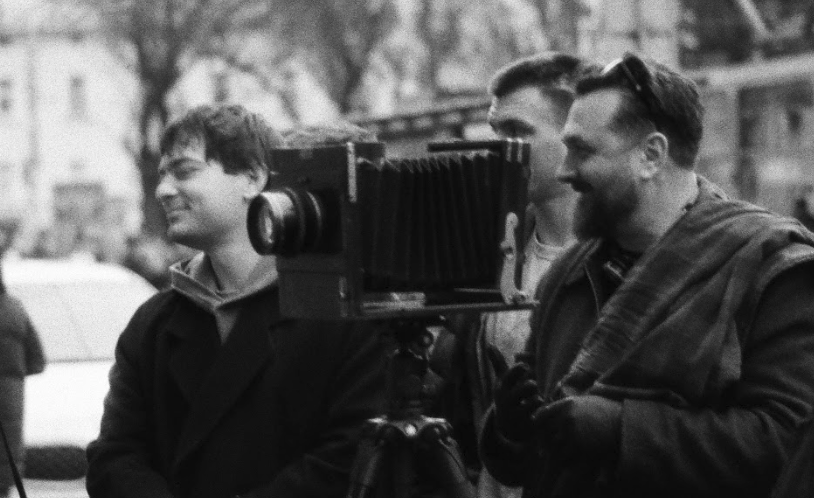
Ambrotype workshop with Stanislav Ostrous
The author of 7 Seconds will show how he made his work, and you will make your own photograph on glass.
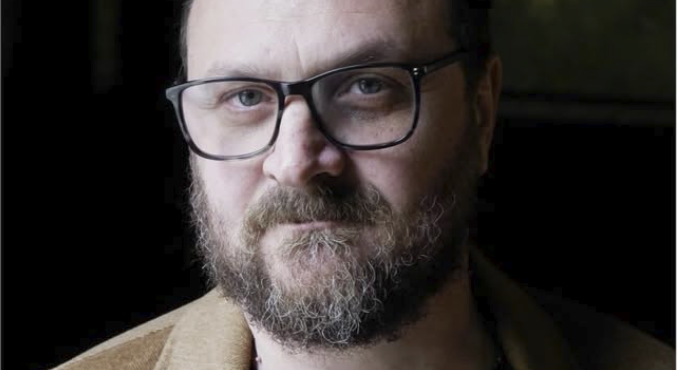
Artist talk: Stanislav Ostrous. Documentary vs art photography
The author of 7 Seconds on ambrotype portraits of soldiers and slow photography of war.
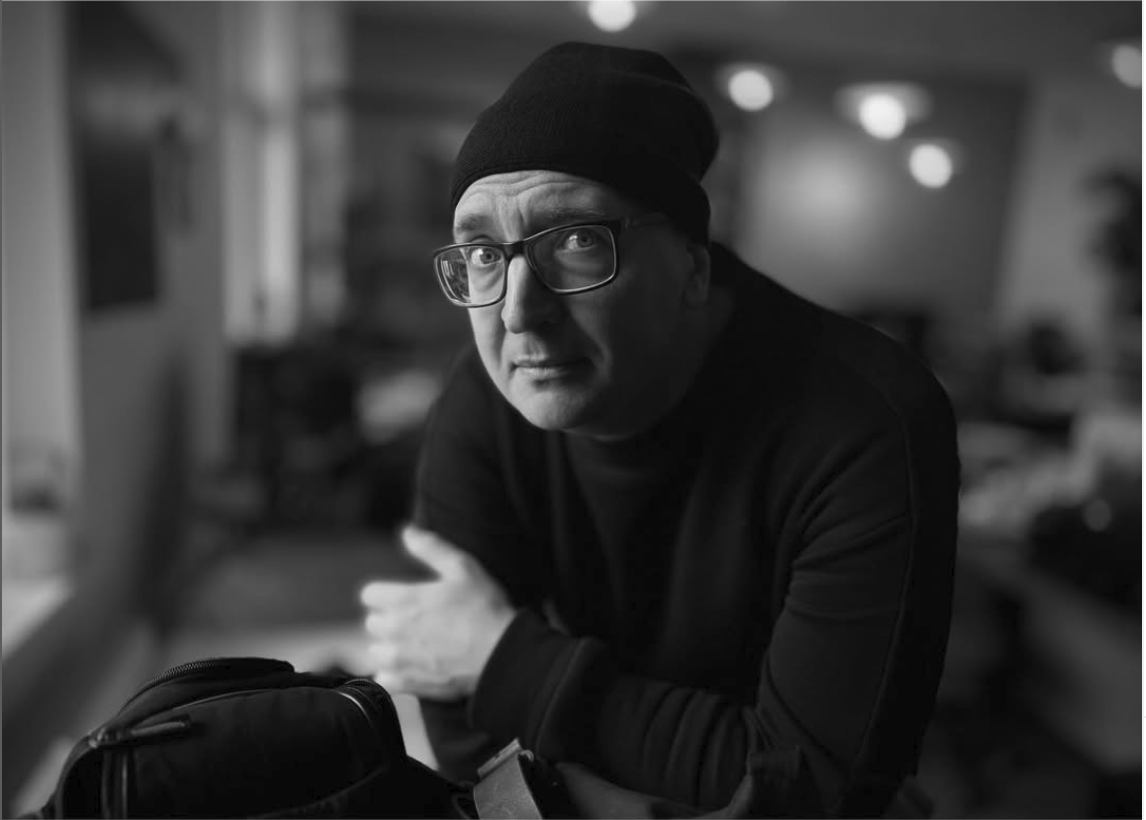
Lecture: Photography in wartime. A change of view
How the full-scale war is changing photography, and how photography shapes the way we see the war. The conversation will cover three dimensions: ethical, political and that of the viewer.
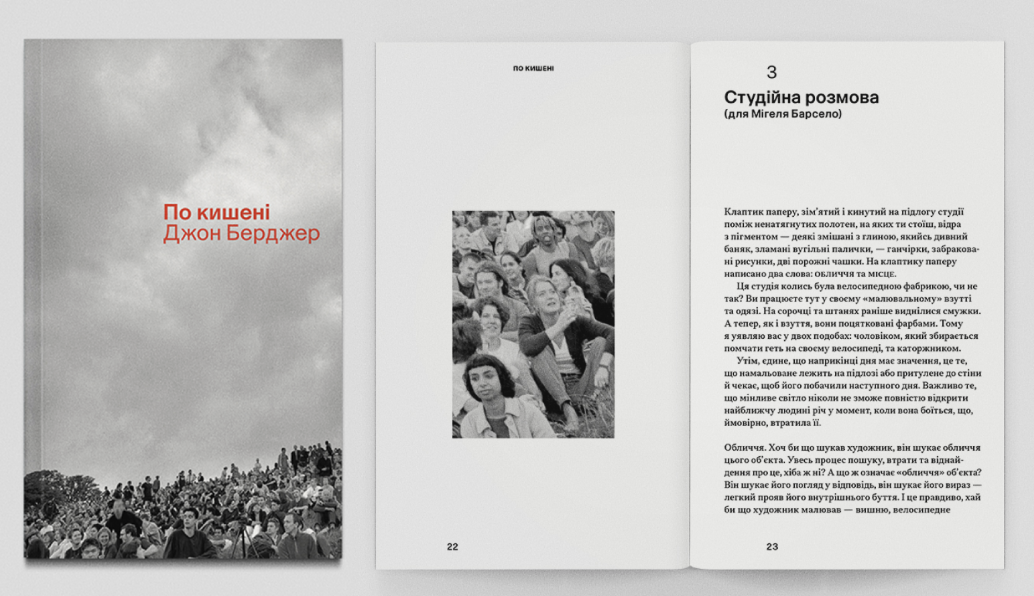
Book club: John Berger, The Shape of a Pocket
Berger himself called The Shape of a Pocket (2001) a very personal book, written out of a sense of urgency. With his usual attention and critical eye, he writes about Bosch, Rembrandt, Degas, Kahlo, Fayum portraits and cave paintings, and through them finds ways to reflect on the suffocation of the present, economic inequality and the claustrophobia of a globalized world.
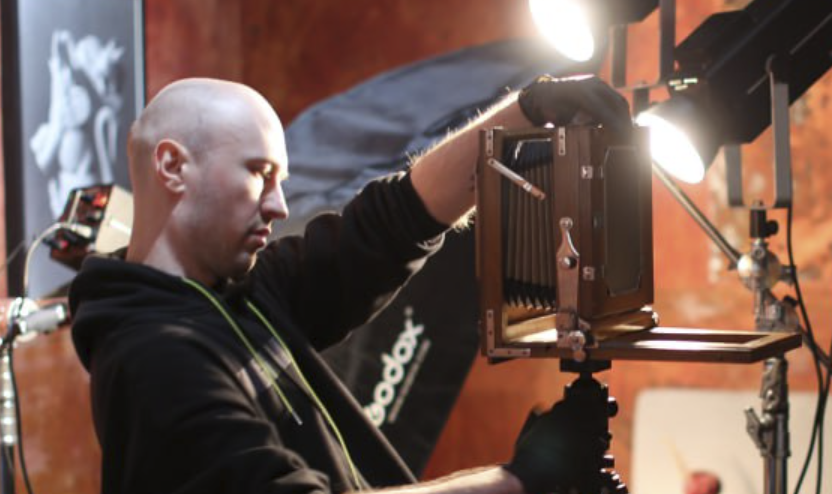
Ambrotype workshop with Oleksandr Hor
We go through the whole ambrotype process, from preparing the glass plate to developing and fixing.
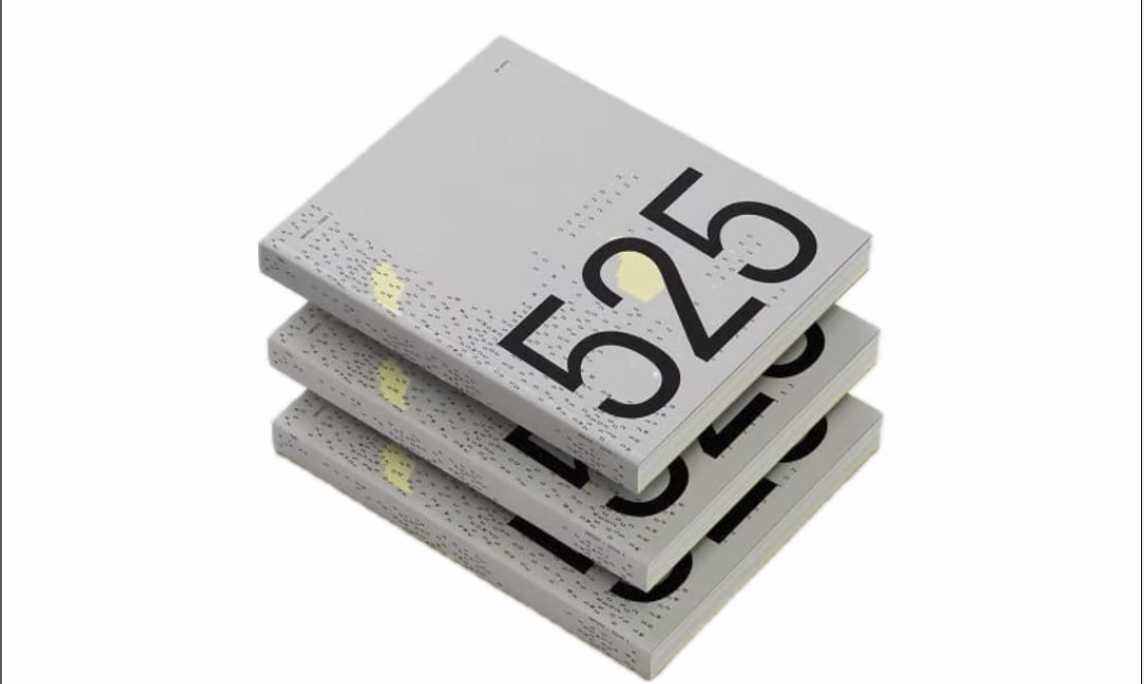
Launch of the first issue of 525 magazine
525 explores contemporary Ukrainian photography and its place in world visual culture. The first issue, Glass and Steel, deals with the experience of trauma, loss and hope that is shaping the next generation in Ukraine.
Discussion club: The visual turn — how we learn to see
We will talk about the contexts in which public ideas about visual art were formed and changed. When and why did the idea of a “visual turn” appear? What place does the study of visuality have in Ukrainian education today? How did we learn to see and understand visual culture in the first place?