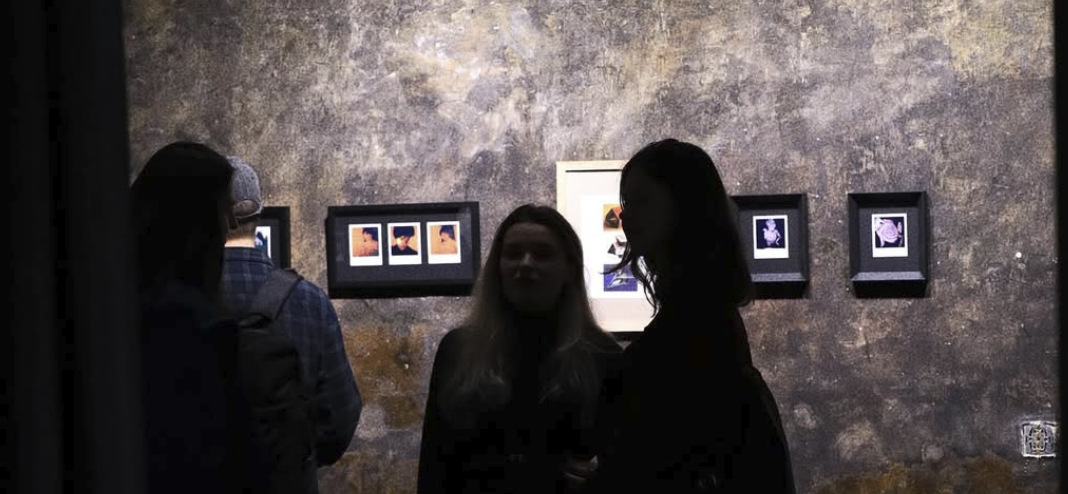
Group exhibition of Polaroid photographs
April 25, 2025 - July 11, 2025
Polaroid, one of the most revolutionary inventions in photography, appeared in 1947. The launch of the SX-70 in 1972 was a milestone in the history of instant photography: it was the first folding single-lens reflex instant camera with automatic exposure, and its pictures developed by themselves, with no negative to peel away, which made shooting much simpler. The SX-70 changed not only how photographers made pictures but also opened new horizons for creative expression, letting artists experiment with the form and content of photography.
With the arrival of digital technology in the early 2000s, however, Polaroid’s popularity began to fall. Cameras that had once stood for instant gratification gradually lost their appeal next to the convenience of digital cameras and smartphones. This led to a period of decline for the company, which filed for bankruptcy in 2008. Despite this, instant photography has come back in recent years thanks to a new generation of artists who found new ways to use old technology.
The revival of instant photography in art
Polaroid is a camera that became a symbol of creativity, experiment and artistic expression.
It changed not only the way photographs were made but also had a big influence on pop culture, including through magazines such as Vogue, which began using instant pictures in their shoots. This let artists and designers experiment with new aesthetic approaches and made Polaroid part of mass culture.
Many key figures of last century’s art world left behind remarkable Polaroids: actors, painters, photographers and others photographed themselves and the life around them, creating unique art objects that we now see in collections and photo books.
The first Polaroid exhibition took place at the Museum of Modern Art (MoMA) in New York, a landmark event for photographic art. It highlighted not only the technological achievement but the artistic value of instant pictures, opening up new possibilities for artists. It marked the beginning of Polaroid’s recognition as an important tool for creative expression.
Today more and more artists are returning to instant photography or starting with it. We decided to begin exploring the Polaroid renaissance in Ukraine. The exhibition brings together work by 15 artists from different Ukrainian cities. Different viewpoints, ideas and techniques. Different reflections and lines of inquiry. What the viewer sees is a cross-section of Ukrainian instant photography today, a chance to find out who shoots Polaroid now, how and why. The artists we chose are only a small part of those practicing instant photography in Ukraine. Yet the range of styles is clear at first glance. The artists experiment both with shooting — color, composition, long exposures and more — and with treating the finished pictures: lifting the emulsion or adding outside elements to the prints. Some of the works belong to series the artists have been developing over a long stretch of their careers.
Events during this program
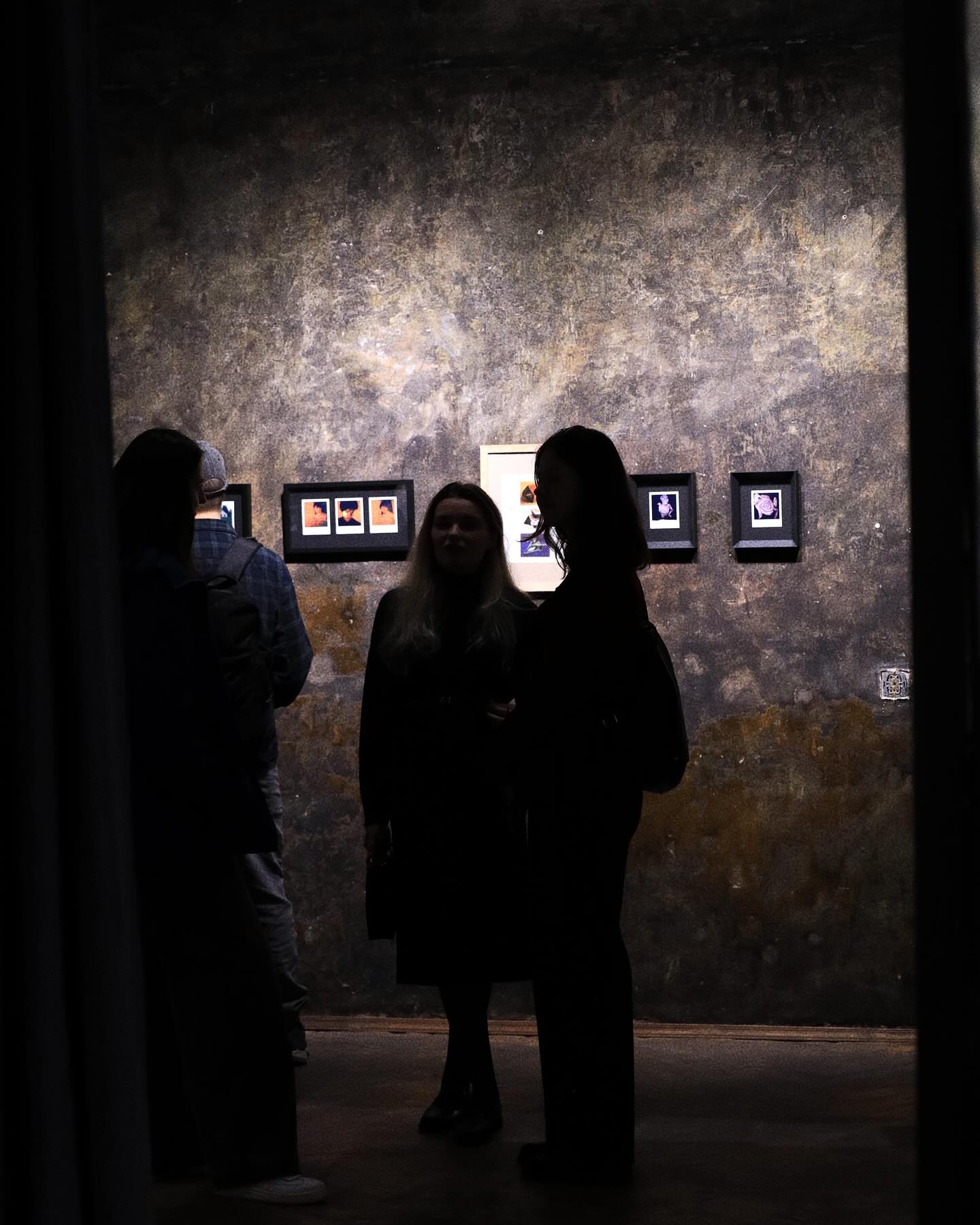
Polaroid SX-70 birthday and opening of Polaroids
We celebrate the birthday of the Polaroid SX-70 and open a group exhibition of Polaroids by 15 artists, part of Lviv Gallery Weekend.
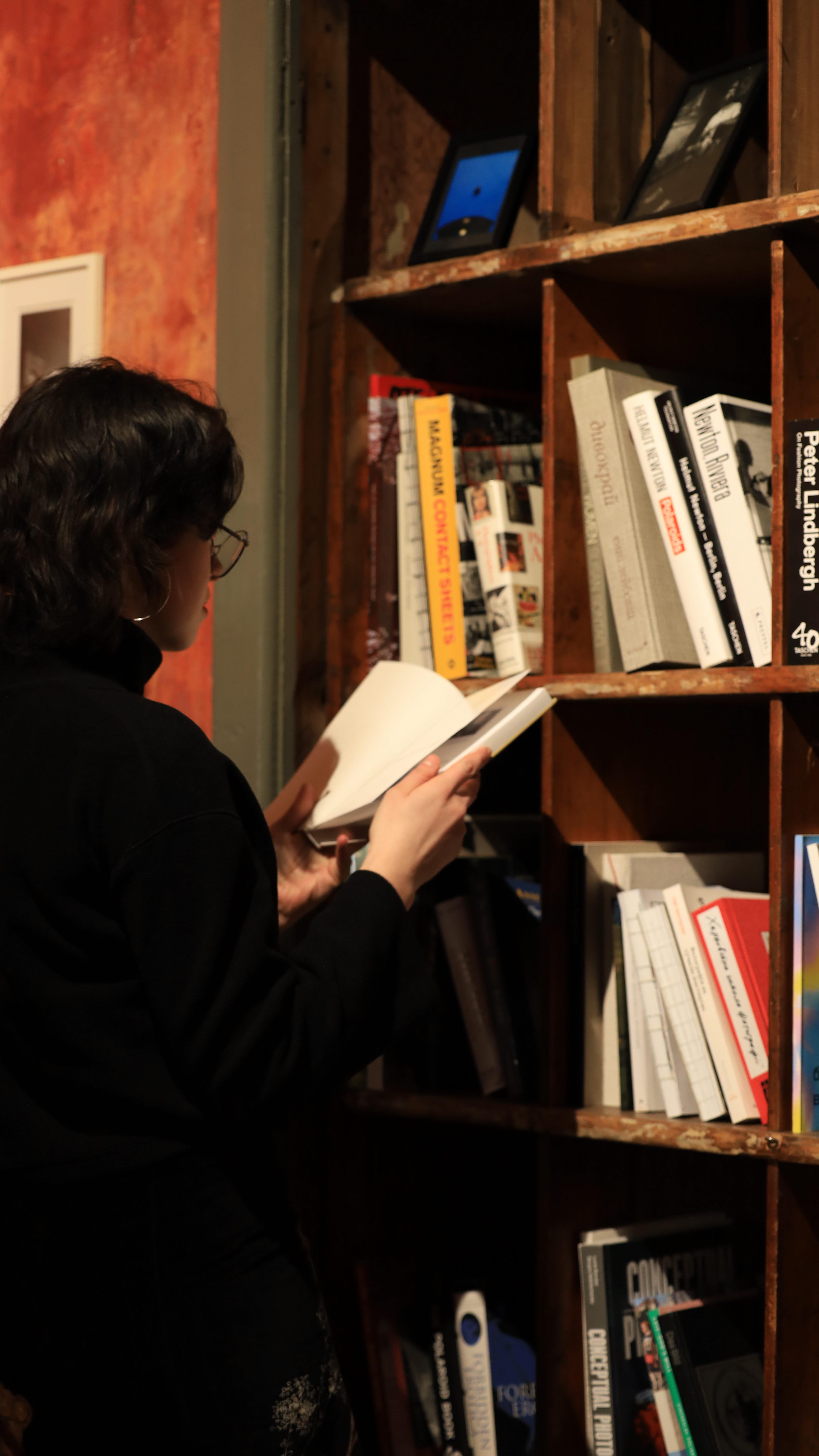
Book club: Susan Sontag, On Photography
The second meeting of our book club: Susan Sontag’s On Photography.
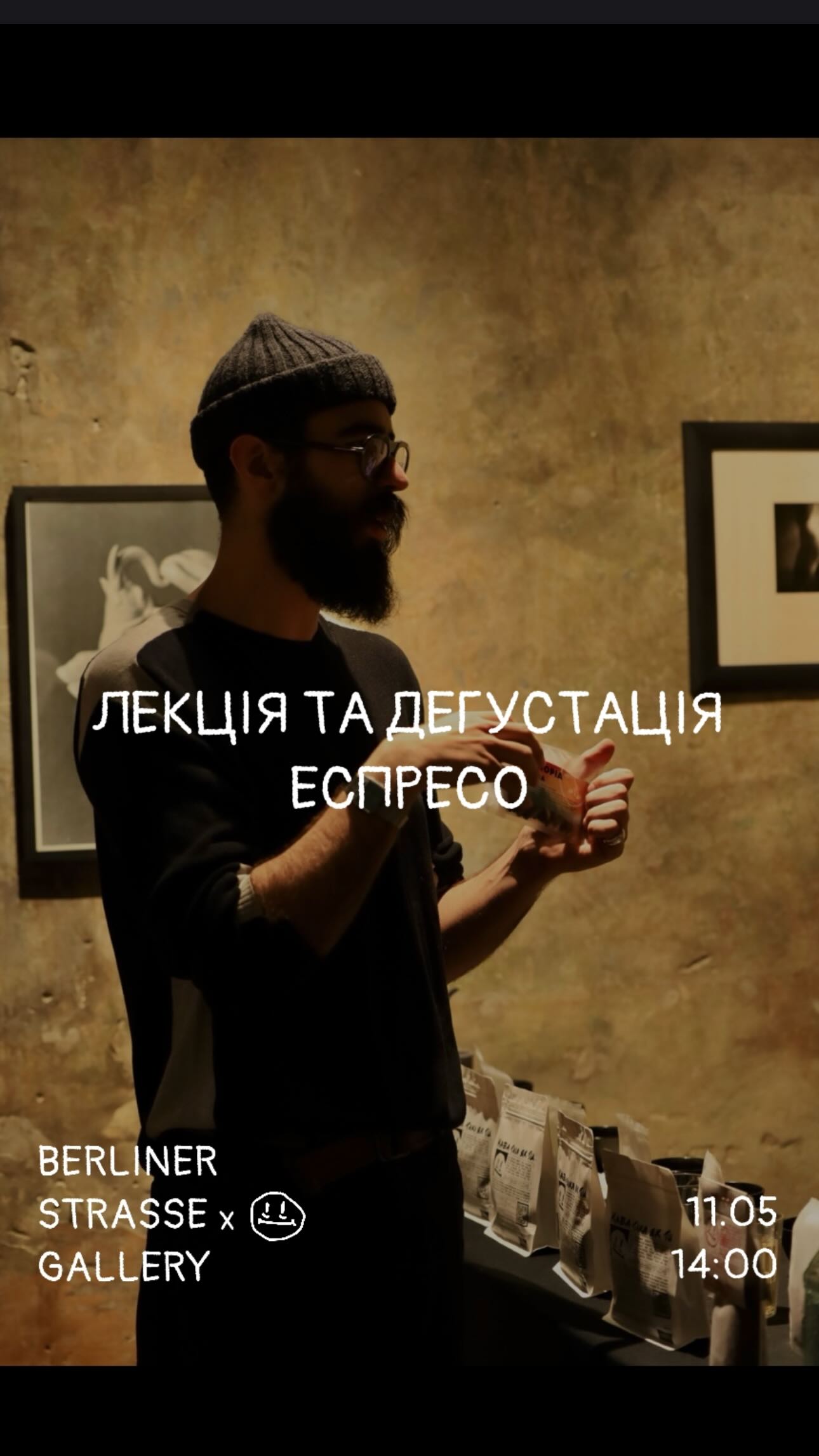
Lecture and tasting: espresso with High Hill
Where espresso came from and how it tastes with different beans.

Vinyl Party: Jazz
A jazz night: Miles Davis, Nina Simone, Charles Mingus.
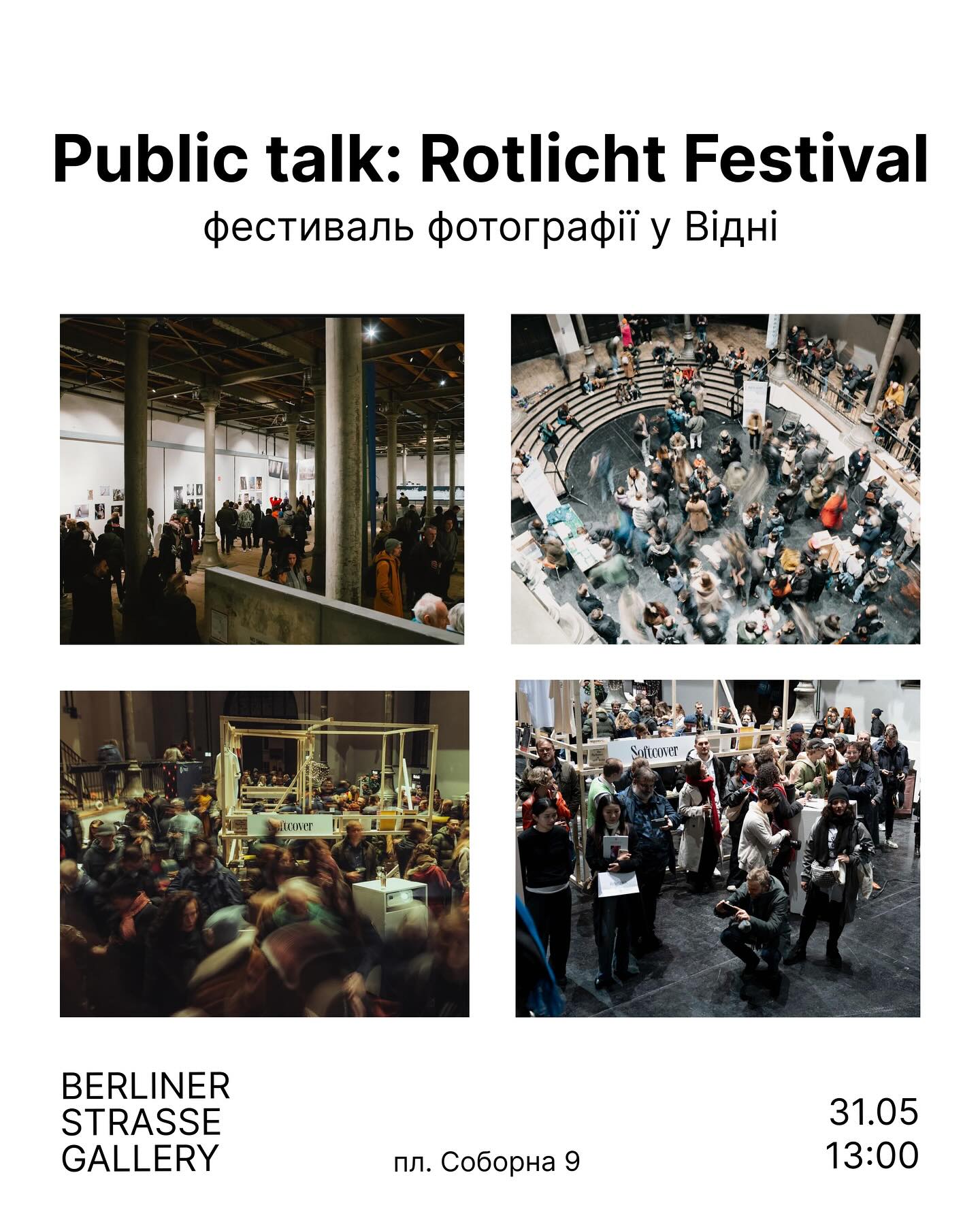
A conversation with Michael Laubsch, ROTLICHT Festival
The co-director of Vienna’s analogue photography festival on how it works and how Ukrainian photographers can take part.

Book club: John Berger, About Looking
A book that shaped a whole generation of critics, artists and photographers.
Vinyl Party: Hip-Hop & R&B
A hip-hop and R&B night: Wu-Tang Clan, A Tribe Called Quest, Lauryn Hill, D’Angelo.
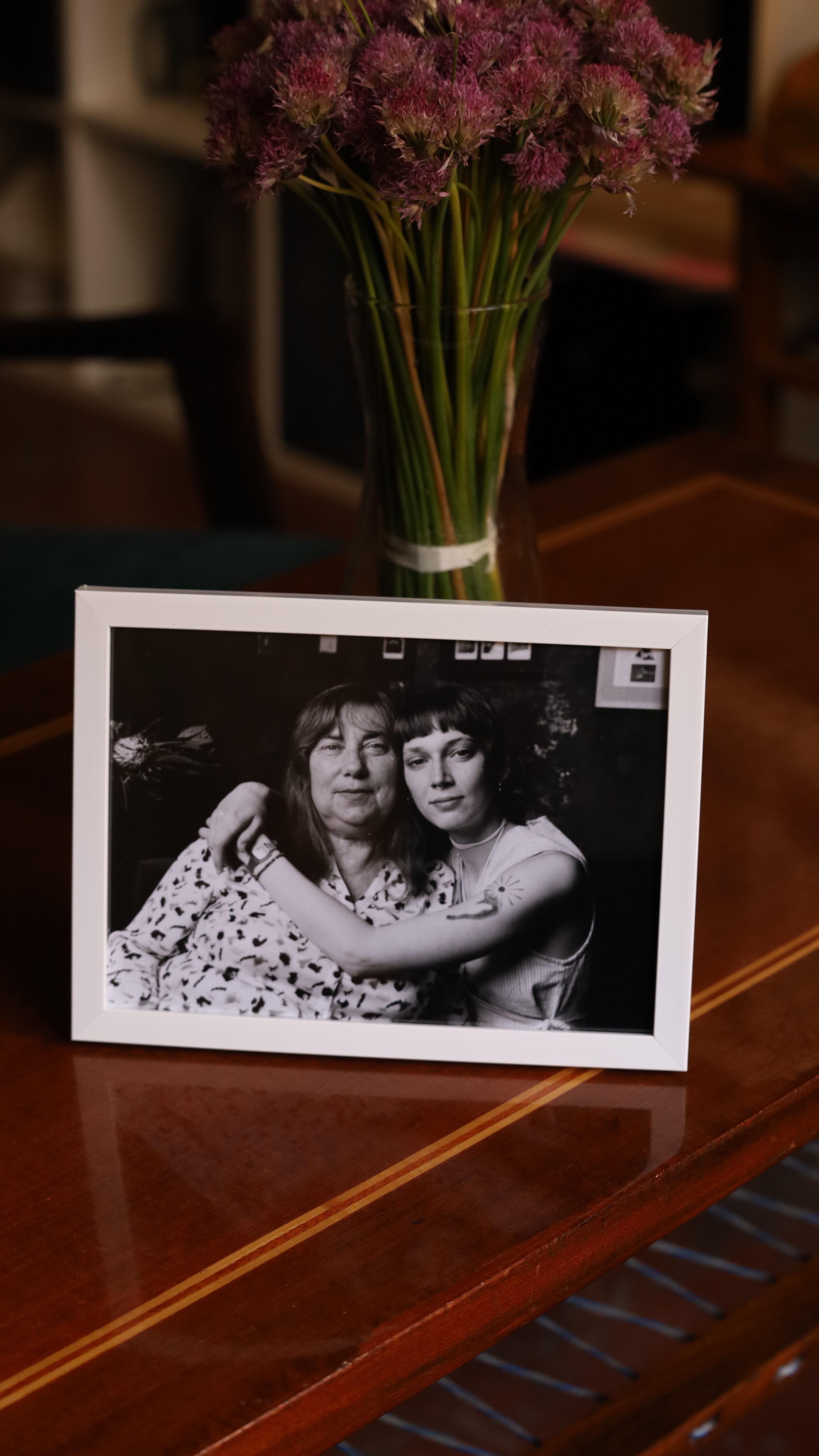
Photo day: Portrait of a loved one
Black-and-white film portraits of you with your grandparents or parents.
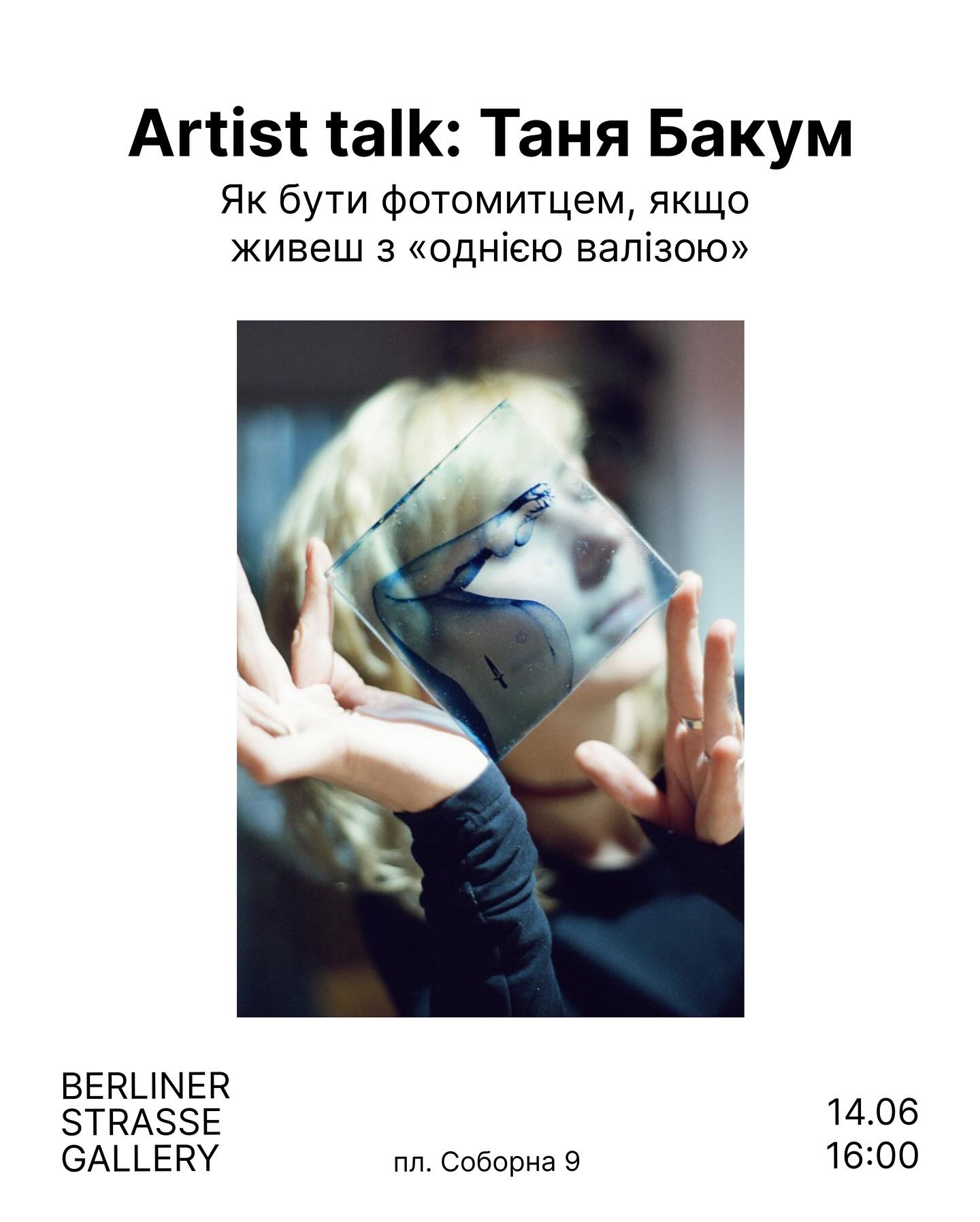
Artist talk: Tania Bakum
How to print photographs when you live out of one suitcase and have no enlarger.
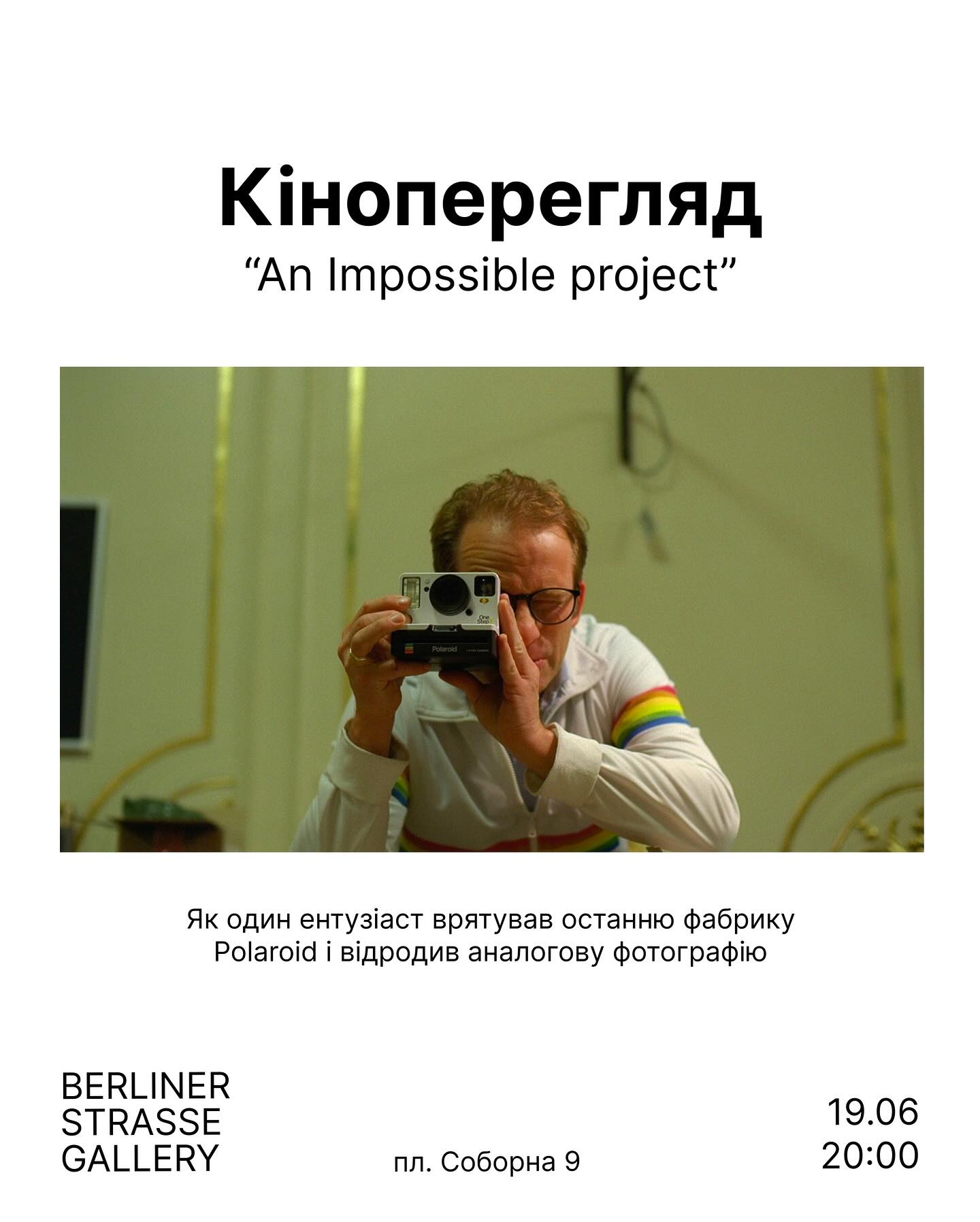
Screening: An Impossible Project
A film about Florian Kaps, who set out to save the world’s last Polaroid factory.
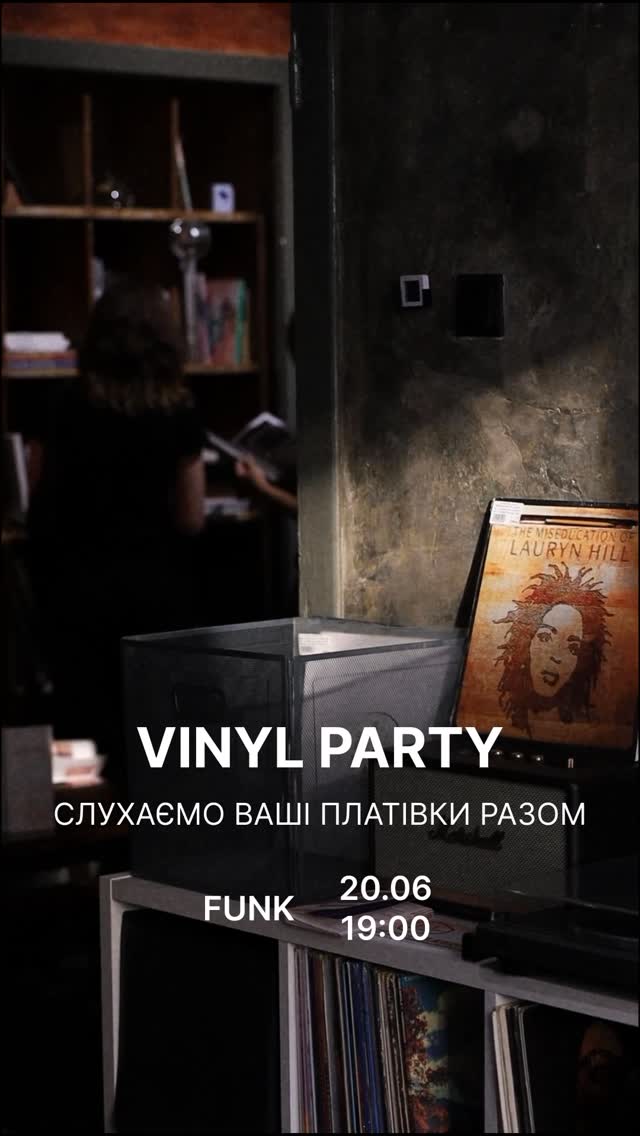
Vinyl Party: Funk
A funk night: James Brown, Parliament, Prince.
Photo day: Portrait of a loved one
Film portraits of your parents and grandparents, hand-printed in the darkroom.
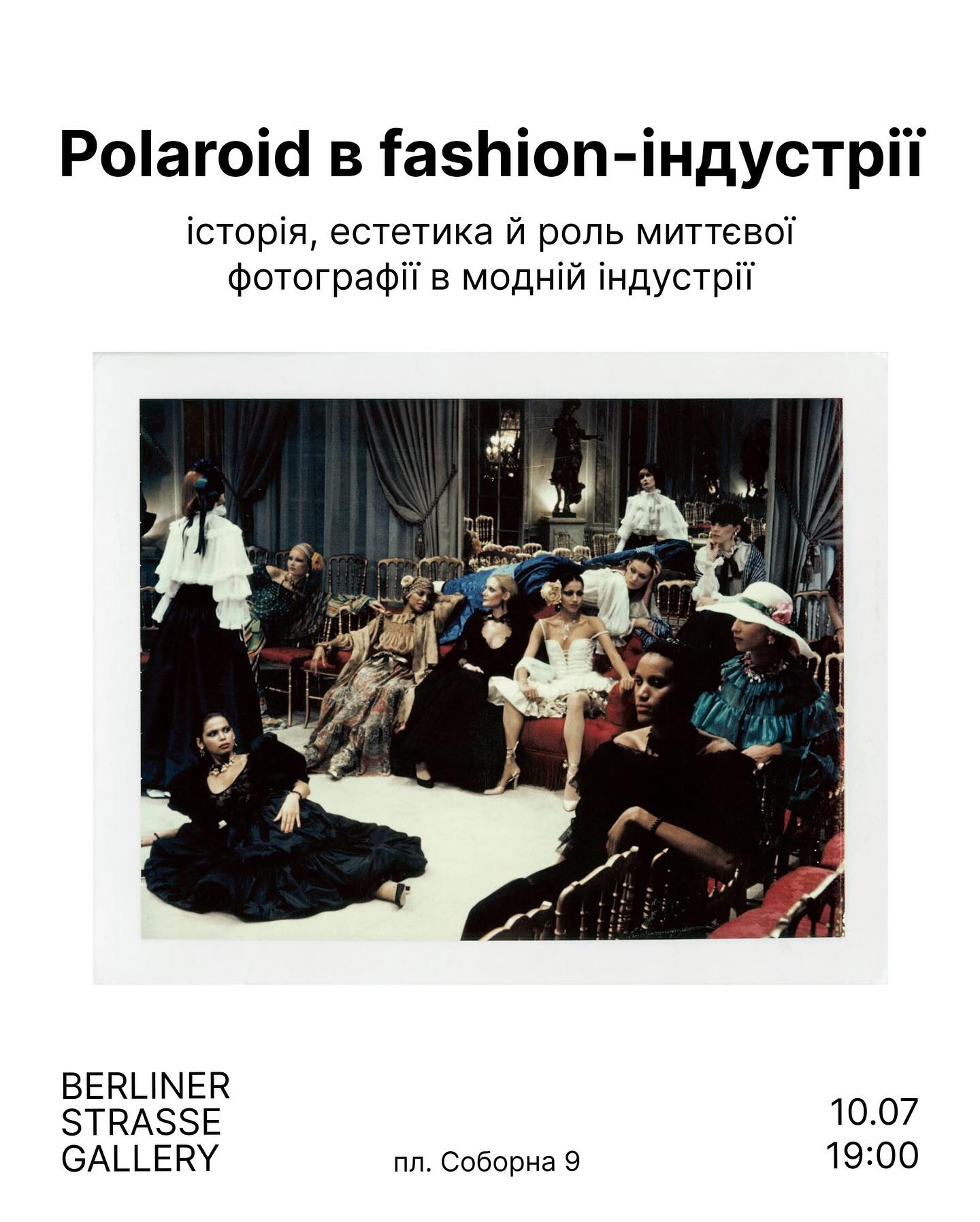
Lecture: Polaroid in fashion photography
How Polaroid became a professional tool for fashion photographers, from Helmut Newton to Steven Klein.